Description
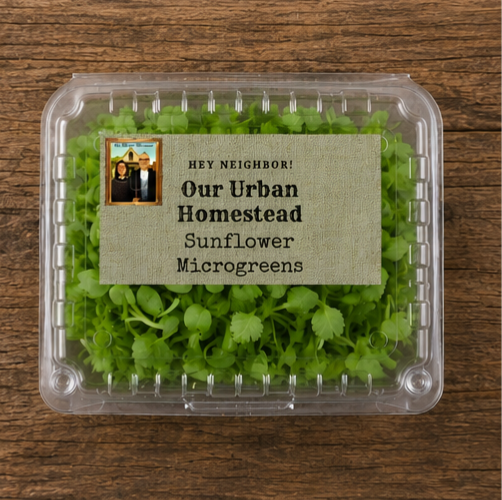
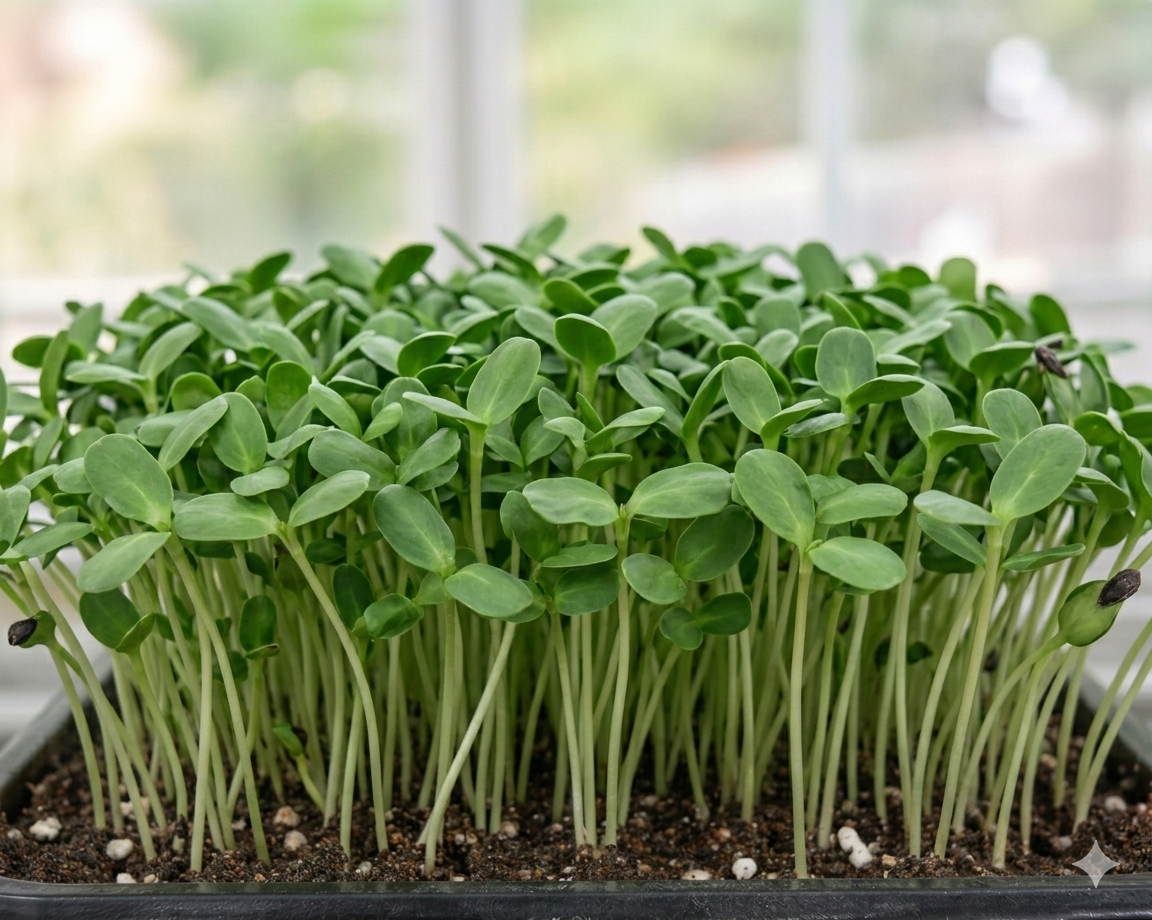
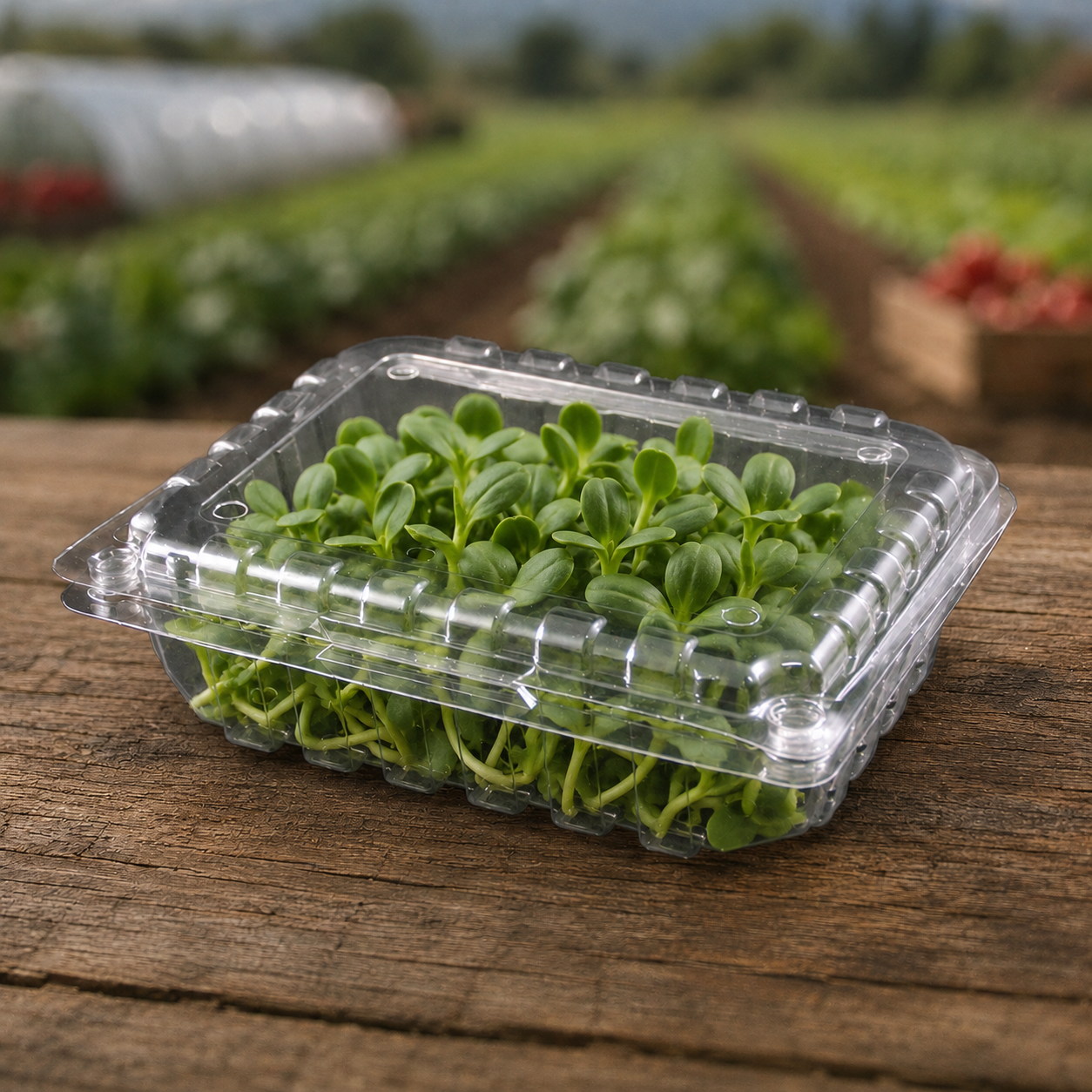
Sunflower Microgreens
Nutrition Facts*
Serving Size: 4 oz (113 g)
| Nutrient | Amount per 4 oz |
| Calories | 120 kcal |
| Total Fat | 6.5 g |
| Saturated Fat | 0.7 g |
| Trans Fat | 0 g |
| Cholesterol | 0 mg |
| Sodium | 18 mg |
| Total Carbohydrates | 9.0 g |
| Dietary Fiber | 3.5 g |
| Total Sugars | 2.5 g |
| Protein | 7.5 g |
Vitamins
| Vitamin | Amount | % Daily Value* |
| Vitamin A | 310 mcg RAE | 34% |
| Vitamin C | 22 mg | 24% |
| Vitamin K | 90 mcg | 75% |
| Folate | 78 mcg | 20% |
| Vitamin E | 6.2 mg | 41% |
| B Vitamins (B1, B2, B6) | Moderate levels | — |
Minerals
| Mineral | Amount | % Daily Value* |
| Calcium | 65 mg | 5% |
| Iron | 2.1 mg | 12% |
| Potassium | 420 mg | 9% |
| Magnesium | 120 mg | 29% |
| Phosphorus | 180 mg | 14% |
| Zinc | 1.3 mg | 12% |
*https://www.ars.usda.gov/research/publications/publication/?seqNo115=278071
Naturally Occurring Plant Compounds
Sunflower microgreens contain a dense profile of bioactive compounds, including:
- Chlorophyll
- Vitamin E (tocopherols)
- Polyphenols
- Flavonoids
- Phytosterols
- Carotenoids (lutein, beta-carotene)
- Healthy unsaturated fatty acids (from seed reserves)
- Amino acids and plant proteins
- Antioxidants
These naturally occurring compounds have been studied for their potential role in supporting:
- Muscle and tissue maintenance
- Heart and cardiovascular health
- Skin and cellular health
- Immune function
- Healthy inflammation response
- Energy metabolism
- Overall nutritional density
Serving Suggestions
Sunflower microgreens have a crisp, juicy texture and a mild nutty flavor. They pair well with:
- Salads
- Sandwiches
- Wraps
- Grain bowls
- Smoothies
- Stir-fries (added at the end of cooking)
- Avocado toast
- Pesto blends
- Burgers
- Egg dishes
Storage
- Refrigerate immediately after harvest.
- Store at 34–40°F (1–4°C).
- Keep dry until use.
- Best consumed within 7–10 days.
Percent Daily Values (DV) are based on a 2,000 calorie diet.
Disclaimer: This nutrition panel is an estimate based on seed composition and sprout conversion factors. Actual values vary with cultivar, growing conditions, and harvest timing. Laboratory testing is required for FDA-compliant labeling.